
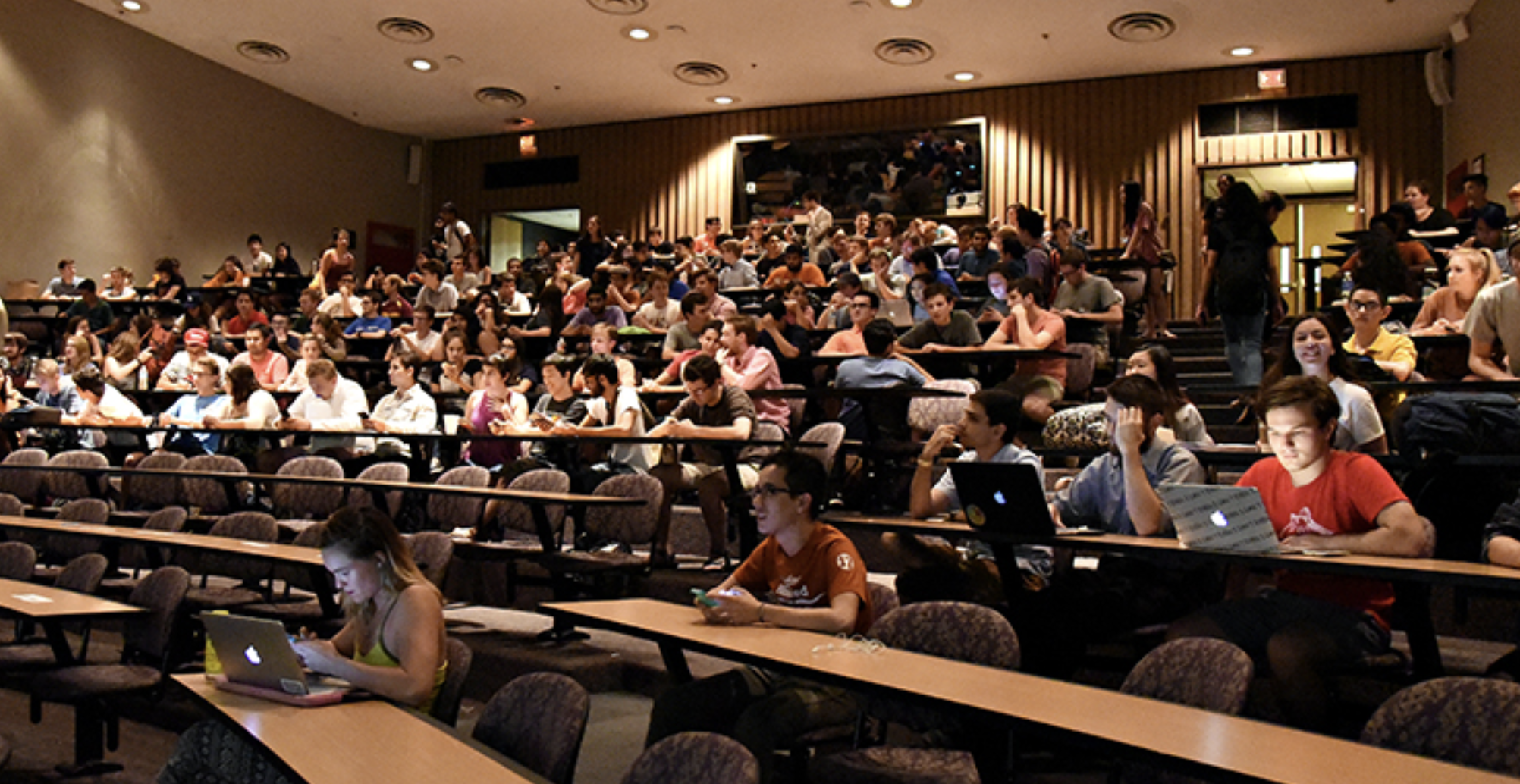
Grading a large class often starts with good intentions—and quickly turns into a logistical puzzle. What works smoothly in a class of 30 begins to crack when enrollments hit 200, deadlines pile up, and multiple graders enter the mix. Suddenly, consistency, fairness, and turnaround time are no longer just ideals, they are daily pressure points.
Large classes are now the norm across many disciplines in higher education. While teaching at scale allows institutions to reach more students, it also amplifies one of the most persistent instructional challenges: how to grade hundreds of submissions consistently and fairly without overwhelming instructors and teaching teams.
When class sizes climb into the hundreds, grading can quickly become a source of stress, inconsistency, and burnout. The good news is that chaos is not inevitable. With the right strategies—and the right infrastructure—it is possible to maintain high standards, deliver meaningful feedback, and protect your sanity in the process.
Why Consistency Matters More at Scale
In any course, grading consistency underpins fairness and student trust. In large classes, it becomes critical. When multiple graders or teaching assistants are involved, even small differences in interpretation can lead to meaningful discrepancies in scores and feedback.
Research on grading practices highlights that inconsistent assessment increases student dissatisfaction and grade appeals, while clear criteria and aligned evaluation improve perceptions of fairness and transparency
Consistency also supports equity. Shared rubrics and aligned grading norms help reduce subjective bias, particularly in high-enrolment courses where instructors cannot rely on personal familiarity with individual students’ work.
The Real Cost of Grading at Scale
The challenge is not just pedagogical—it is human. Faculty workload and burnout are well-documented concerns in higher education. A national survey by TimelyCare, involving over 500 faculty and staff members at public and private colleges and universities, revealed that more than half (53%) have considered leaving their jobs due to burnout, increased workload, and stress.
Large-class grading compounds this pressure:
- Hundreds of submissions must be reviewed in limited time windows
- Feedback is delayed or reduced to manage workload
- Instructors spend more time resolving disputes and clarifying grades
Without intentional systems in place, scale can erode both feedback quality and instructor well-being.
Strategies for Consistent Grading in Large Classes
1. Anchor Everything in a Clear Rubric
Rubrics are the foundation of consistent grading. Well-designed rubrics clarify expectations for students and provide graders with shared reference points for evaluation. Studies show that rubric-based grading improves reliability and reduces variation across graders.
2. Run Short Norming Sessions With Your Grading Team
Even strong rubrics benefit from discussion. Norming sessions where graders score the same sample responses and compare results help align interpretations before grading begins. Research on equitable grading emphasizes that calibration conversations significantly reduce grader variability throughout the term.
Best practice:
Hosting a single 30–60 minute norming session can prevent weeks of inconsistent grading later.
3. Grade by Question, Not by Student
In exams or multi-part assignments, assigning graders to specific questions rather than full submissions can help improve consistency. Each grader applies the same criteria repeatedly, reducing drift and cognitive load.
This approach is commonly recommended in large-class assessment guides because it balances efficiency with fairness.
4. Make Consistency Operational, Not Manual
At scale, consistency breaks down not because instructors lack good intentions, but because coordination becomes unmanageable. This is where purpose-built grading infrastructure can help.
Many instructors use Crowdmark to operationalize these best practices. Assigning graders to questions, applying shared rubrics, and reusing consistent feedback across hundreds of submissions. The goal is not automation for its own sake, but reducing the manual overhead that makes consistent grading difficult to sustain in large courses.
5. Check for Drift Mid-Grading
Consistency is not a one-time achievement. Even aligned graders can drift over time. Build in checkpoints partway through grading to review score distributions and resolve discrepancies early. Ongoing communication with teaching assistants throughout the term helps ensure alignment, consistency, and shared expectations across the grading team.
This simple step can prevent systemic inconsistency from spreading across hundreds of submissions.
Where Technology Fits, and Where It Doesn’t
Emerging research suggests that AI-assisted and digital grading tools can reduce administrative workload and surface inconsistencies when used thoughtfully.
However, technology should support, not replace, instructor judgment. Tools are most effective when they handle repetitive tasks and coordination, freeing instructors to focus on feedback quality, learning outcomes, and student support.
Grading at Scale Without Burning Out
Grading large classes does not have to mean sacrificing consistency or well-being. Instructors who succeed at scale tend to share a common approach:
- They plan assessment workflows early
- They invest in shared norms and rubrics/ comment libraries
- They prioritize feedback where it matters most
- They use infrastructure that supports, rather than complicates, collaboration
Consistency is not about grading more – it is about grading smarter. With deliberate design and the right support systems, large classes can deliver fair, meaningful assessment without overwhelming the people responsible for it.